
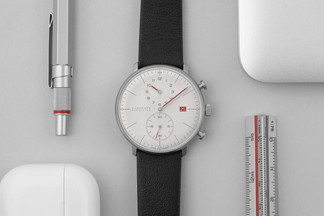
Posted by Legend of Time on 6th Mar 2026
What Is a Bauhaus Watch?
The Design Philosophy Behind Minimalist Timepieces
A Bauhaus watch is more than a minimalist timepiece. It reflects a design philosophy born from the German Bauhaus movement, which sought to unite art, craftsmanship, and industrial design into objects that were both beautiful and functional. In watchmaking, Bauhaus principles created some of the most recognizable and enduring minimalist designs ever produced.
Clean dials, balanced typography, and a focus on clarity define the Bauhaus aesthetic. Rather than decoration, every element serves a purpose. The result is a watch that feels modern decades after its creation.
The Bauhaus Design Philosophy
The Bauhaus school was founded in Germany in 1919 and quickly became one of the most influential design movements of the 20th century. Its philosophy was simple but powerful: form should follow function.
Designers stripped objects down to their essential elements, removing unnecessary ornamentation. Geometry, proportion, and clarity replaced decorative complexity. These ideas shaped architecture, furniture, typography, and eventually watch design.
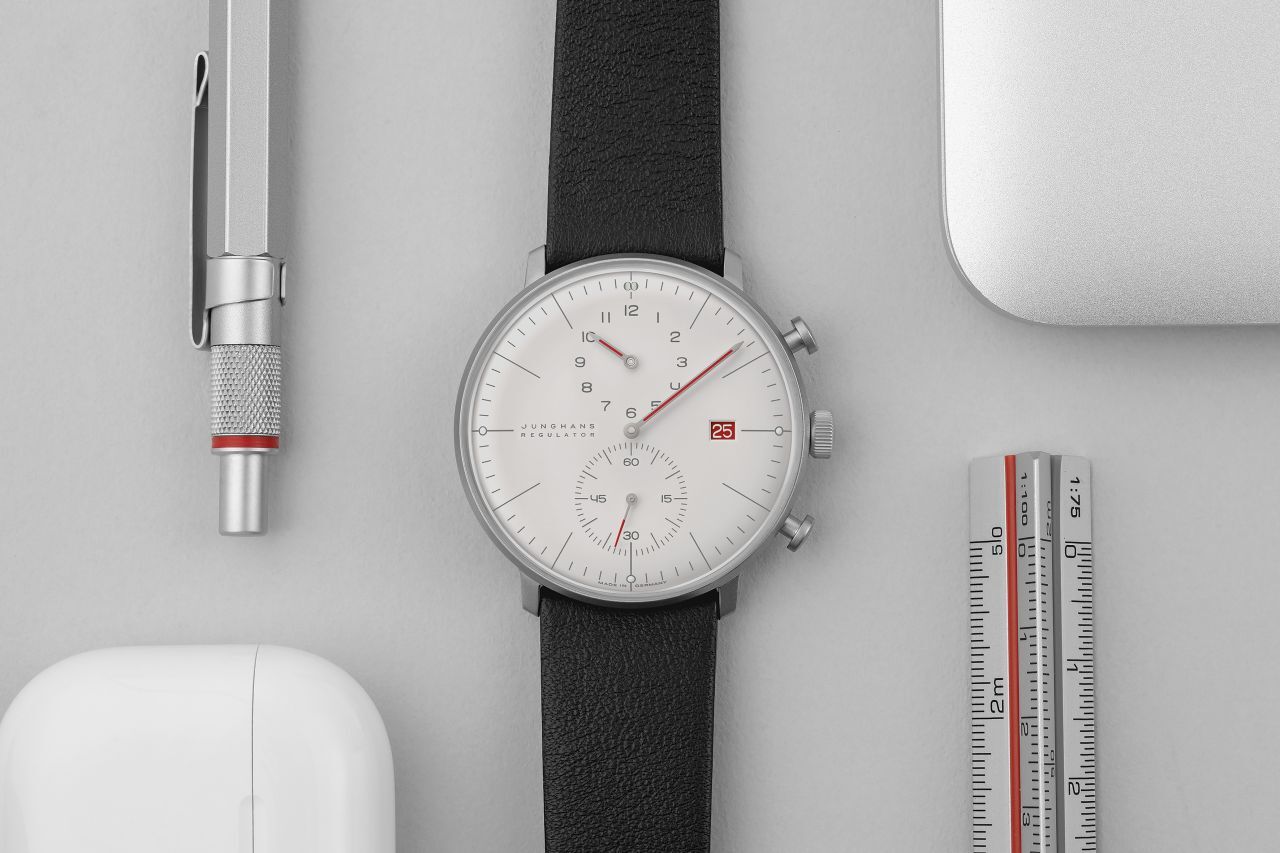
In a Bauhaus watch, the dial becomes a study in balance. Hour markers are simple and precise. Hands are thin and legible. The case is refined but never excessive. Everything exists to make time easier to read and the object pleasant to live with every day.
How Bauhaus Influenced Watch Design
The Bauhaus philosophy naturally translated into watchmaking. A watch is already a functional object, and the Bauhaus approach emphasized exactly what matters most: clarity, proportion, and usability.
Rather than ornate cases or heavily decorated dials, Bauhaus watches feature:
- Clean typography and simple numerals
- Balanced dial layouts
- Thin hands for precise legibility
- Minimal text and restrained branding
- Elegant proportions and slim cases
This aesthetic feels timeless because it focuses on fundamentals rather than trends.
The Icon of Bauhaus Watches
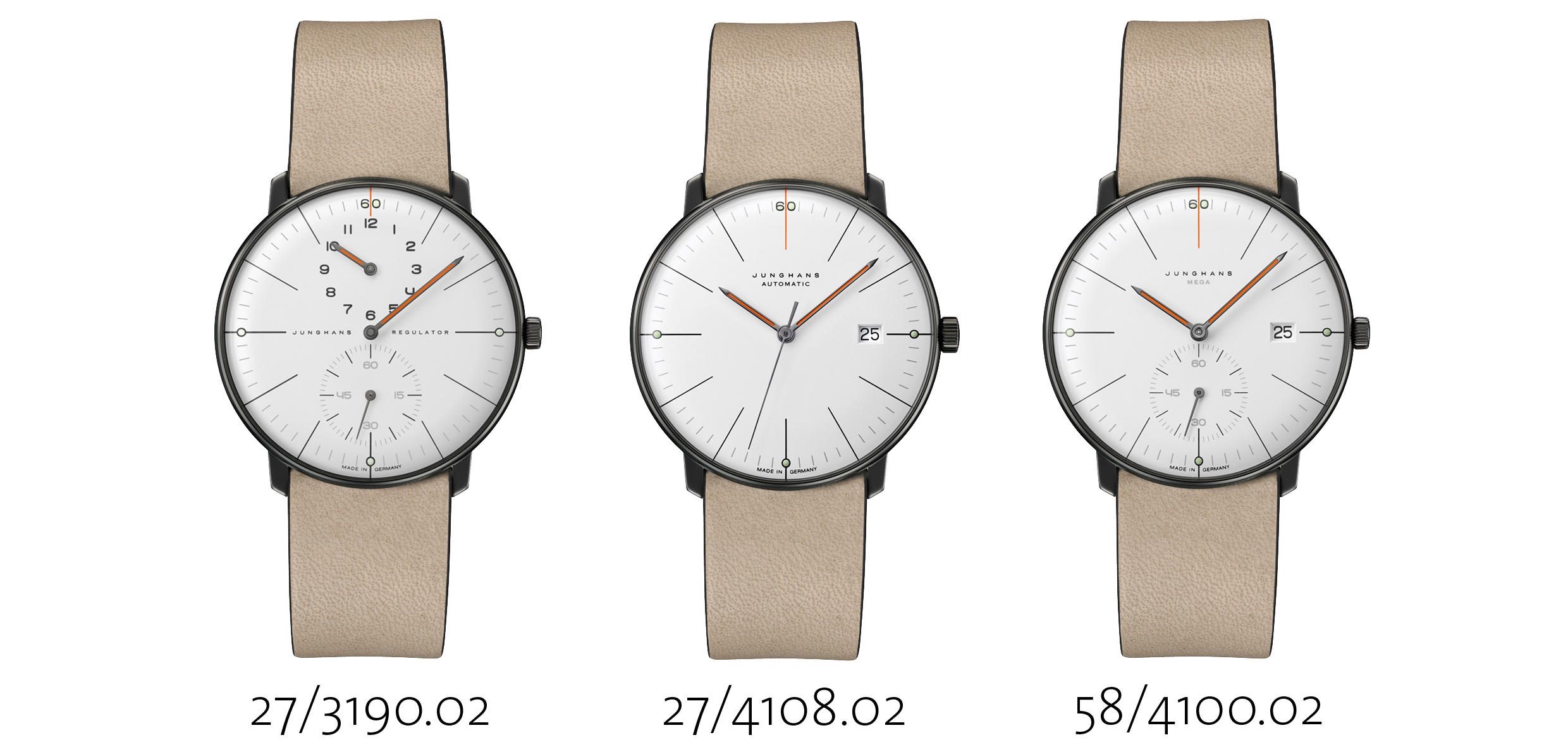
No watch embodies Bauhaus design more clearly than the Max Bill collection from Junghans. Designed by Swiss architect and Bauhaus student Max Bill in the 1960s, the watch translates Bauhaus principles directly onto the wrist.
The dial is perfectly balanced. Numerals are slender and precise. The case is slim and unobtrusive. Nothing is excessive, yet the design feels unmistakably refined.
More than half a century later, the Junghans Max Bill remains one of the most recognizable minimalist watches in the world.
Explore the collection here:
Junghans Max Bill watches at Legend of Time
Why Bauhaus Watches Remain Popular
Bauhaus watches continue to resonate today because their design avoids short-lived trends. Instead, they focus on proportion, clarity, and quiet elegance.
They pair naturally with modern wardrobes, from tailored clothing to casual everyday wear. Their restrained appearance also allows them to move easily between formal and relaxed settings.
For many collectors, a Bauhaus watch becomes the piece they reach for most often. It is understated, versatile, and thoughtful in its design.
A Timeless Approach to Watch Design
More than a style, Bauhaus represents a philosophy of thoughtful design. It reminds us that the most enduring objects are often the simplest ones, carefully refined until nothing unnecessary remains.
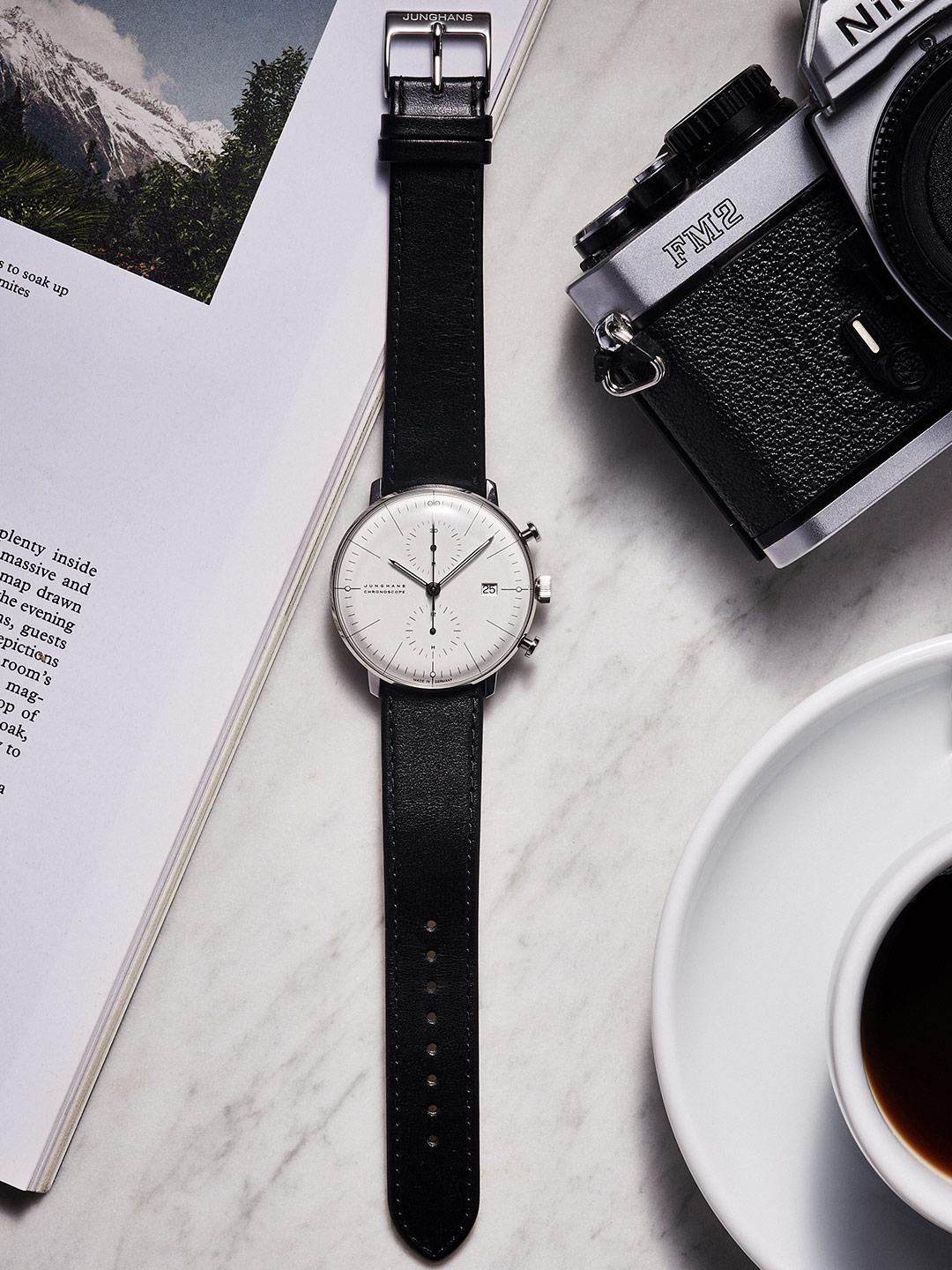
Watches inspired by Bauhaus principles continue to prove that elegance does not require excess. Sometimes the most compelling design is simply the one that does exactly what it should, beautifully and clearly.